


Global R&D-driven biopharmaceutical company
%20(1).jpg)
The context
Our client is a global, R&D-driven biopharmaceutical company with a mission to discover, develop, manufacture, and market medicines and vaccines across a wide range of therapeutic areas, including diabetes, cardiovascular disease, immunology, oncology, rare diseases, and more.
Inside their development lab, small teams of scientists run intricate, high-stakes experiments. During these moments, both hands are occupied with delicate work, making it impractical to stop and log inventory of the materials they are using in real time. But even short delays in documentation can open the door to small inconsistencies, like missed details or minor inaccuracies.
The lab team was ready for a better way. They came to us looking for a custom inventory management solution tailored to their specific workflows. Here’s how we delivered a smarter, more intuitive way to manage lab inventory in-the-moment, powered by a thoughtful mix of software, robotics, and voice-driven AI.
Project details
The challenge
In the lab, scientists work regularly with aliquots (small, measured portions drawn from a larger sample). Tracking these transfers accurately is critical, because each aliquot must retain the same properties as the original, while being precisely labeled, stored, and recorded for future reference or analysis. Even small errors in measurement or documentation can compromise an entire experiment.
While off-the-shelf inventory systems exist, they tend to be complex, unintuitive, and not built with workflows (like aliquot tracking) in mind. These systems often rely on rigid, standardized processes and aren’t designed to handle the nuanced chemistry, experimental variability, or specialized scientific vocabulary that this lab team deals with every day.
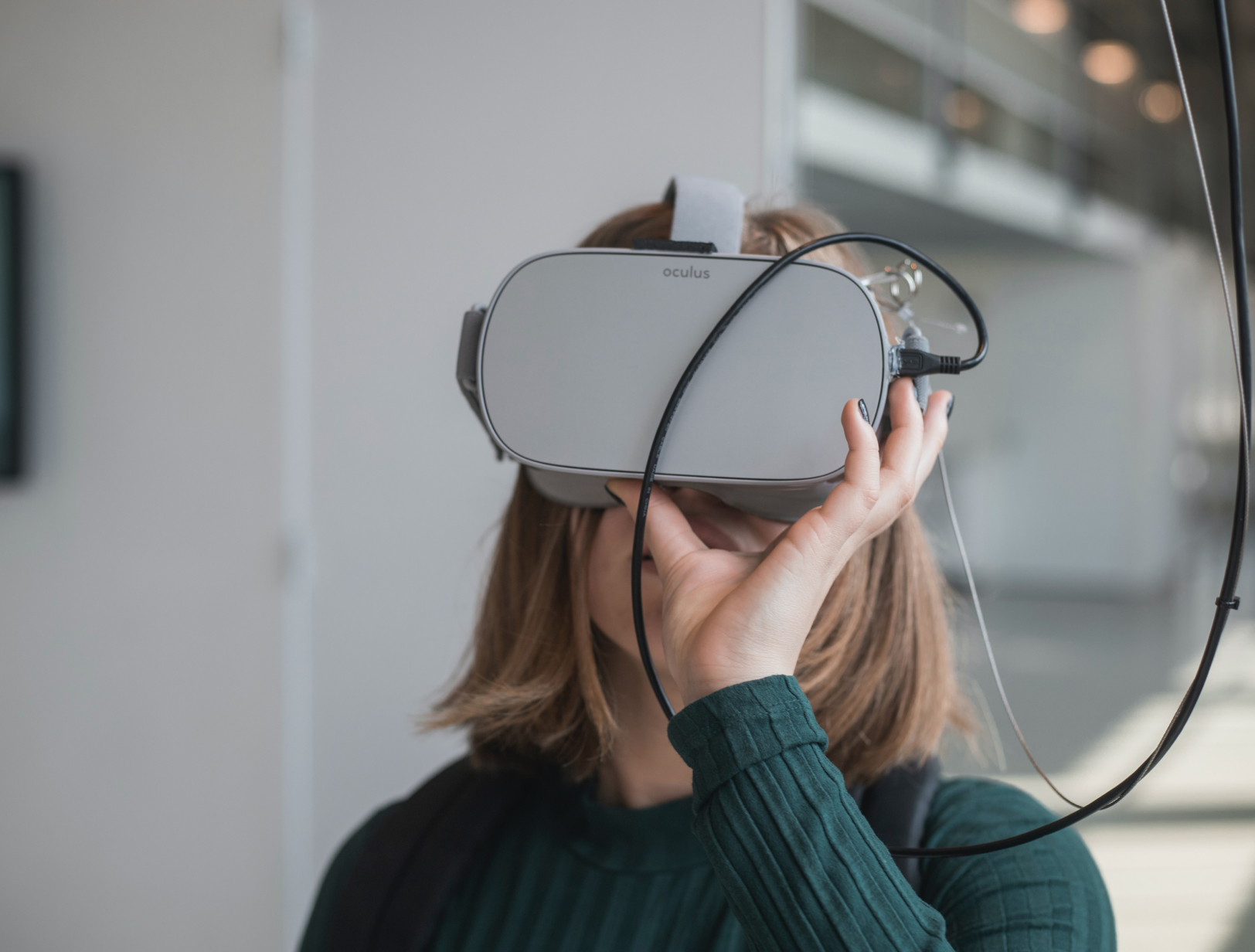
Our key challenge was to create a tool that scientists could use while in the middle of an experiment, hands-free, without disrupting their focus. Voice integration, whereby scientists could talk to the system while working (without pausing to touch a screen or step away from delicate procedures) was a natural solution.
To make that possible, we built voice commands smart enough to understand scientific terminology, capture the right data, and trigger precise inventory actions. Because the lab team worked with long lists of materials, we also made quick, intuitive material lookups a key part of our strategy.
Just as important, the lab team made it clear from the get-go that the new solution had to feel good to use. That meant making it easy to adopt, feel pleasant for users to work with, and natural to integrate into the lab’s day-to-day routines. That thinking shaped everything from our hardware choices to the user experience of the software.
.jpg)
%20(1).jpg)
The task at hand
We kicked off the project with a one-month design phase, collaborating closely with the lab team to bring their vision to life. We worked through wireframes, prototypes, and feedback loops to shape the experience together.
From there, we moved into a fast-paced three-and-a-half-month development cycle. On the software side, we built them a custom inventory management app optimized for tablets. Scientists can interact with it by tapping the screen, using their voice, or logging in from their desktop computers.
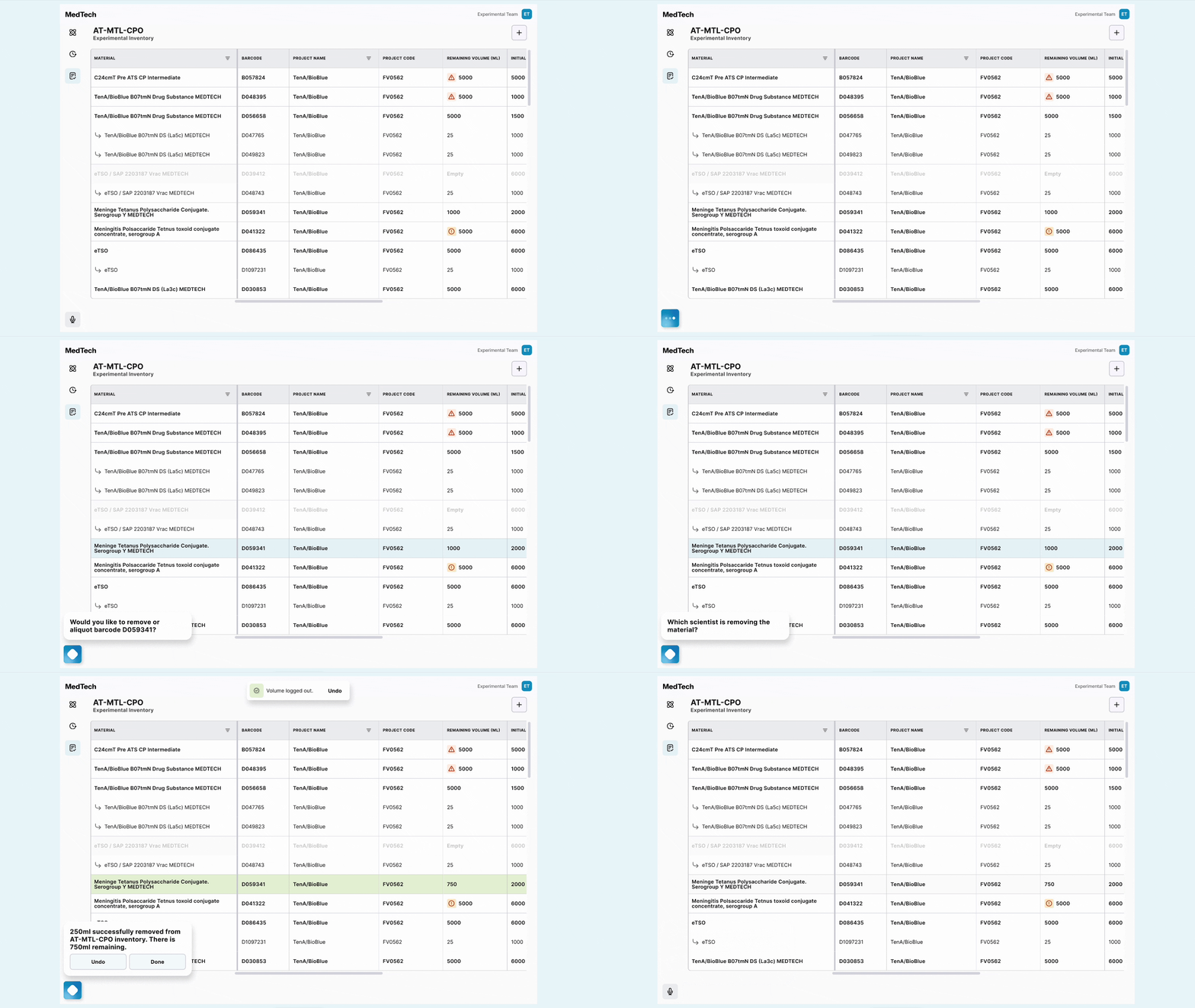
To make voice commands truly usable in the lab, the system had to understand what scientists meant, not just what they said. That’s why we used smaller, on-premise language models, customized with pre-processing and post-processing techniques to extract only the essential data from natural-language input. Instead of parsing full, free-form sentences, the system guides the scientist through short, structured prompts based on the task at hand, like “remove” or “aliquot”. For instance, the scientist might respond with: “I want to aliquot,” “5 millilitres," “Container A,” and their name. The application filters and formats the input, then logs what matters in the inventory database (create 5 ml aliquot in Container A). Because the models run fully on site, the process stays fast, accurate, and secure. It also gives the lab team full control with no third-party dependencies.
To solve the problem of navigating long material lists, we designed a voice-based iterative search tool with built-in barcode scanning. Scientists can search by saying a material name or barcode number, or by scanning product barcodes using the integrated tablet camera. It’s fast, simple, and built for the way scientists actually work. When their hands are full, voice search keeps things moving. When their hands are free, scanning with the tablet camera is quick and intuitive.
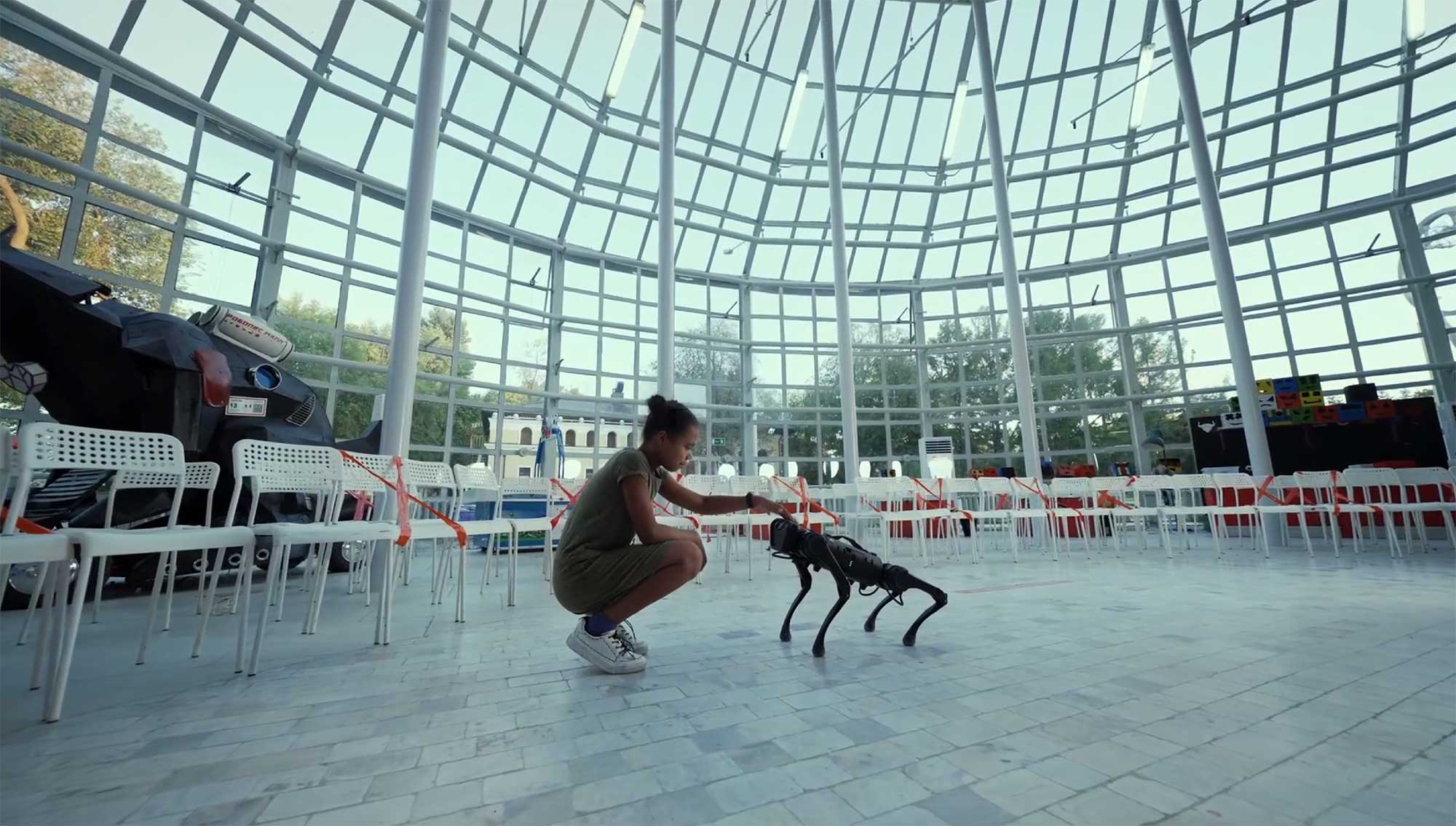
On the hardware side, we brought in temi—a commercial mobile robot often used in service and hospitality settings for its ability to navigate indoor environments with ease. Its quick setup and ability to follow users made it a great fit for the lab. We mapped out the entire environment so the robot can autonomously meet scientists at specific inventory locations when given voice commands. To make it even more useful, we 3D printed a custom tablet holder and a shelf attachment for carrying small lab items. We also activated a few fun extras for the team, like music, virtual meetings, and web searches.
.jpg)
The end result
In just three and a half months, we delivered a production-ready solution that’s already changing how the lab team operates day to day. Their team’s energy and involvement shaped the project every step of the way, and they’re proud to be the first lab within the company to pioneer this kind of automation.
A tablet now sits mounted on temi, ready for interaction. We made the system responsive, but not always listening, by adding a custom wake word. Using voice activity detection, the application listens for a prompt before processing any commands. This helps it ignore background noise and gives users confidence that the tool is only active when needed. At the same time, other team members can access the real-time inventory system from their desktops. That flexibility means everyone in the lab can work the way that suits them best.
The finished app looks great and feels intuitive. That matters, because when tools are easy to use, they actually get used. With each interaction, the application helps the team track experiments more accurately, reduce manual errors, and stay focused on what matters most.
For many in the lab, this was a first experience with voice technology. Moving away from Excel was both a tech upgrade and a cultural shift. And by going through this transition together, the team is now finding even more ways to improve how they name and manage inventory data across the board.

What’s next
While there are no confirmed plans to expand the application beyond the lab just yet, the team has already started thinking about what’s possible. They’ve embraced this collaboration with curiosity and creativity, and they’re eager to keep pushing the boundaries with future features and use cases. The foundation is strong, and everything we built is scalable. The entire experience, from the voice interface to the mobile robot integration, can be repeated in other labs across the company and beyond.
One of our biggest takeaways from this project is simple but powerful: if you want people to adopt advanced tech, it has to feel effortless. Accuracy matters, but usability is what drives real impact. And when the work supports life-changing medicines and vaccines, that impact extends far beyond the lab.
Are your teams stuck in manual workflows or relying on outdated systems?
Let’s explore how tailored automation can boost precision, reduce friction, and free your people to focus on the work that really matters. Get in touch.
%20(1).jpg)
Did this project give you some ideas? We’d love to work with you! Get in touch and let’s discover what we can do together.
Discover the latest trends, our case analyses and practical advice to help you successfully transition toward automation.


-min.jpg)

-min.jpg)
.jpg)
.png)

-min.jpg)


We’re on a constant quest to broaden our horizons and spread wisdom. It’s all about pushing boundaries and elevating our game.